Classic and historically significant films can teach storytelling, ethics, leadership, culture, writing, and history.
Film Studies gives students a structured way to watch important films with guidance, discussion, historical context, written reflection, and age-appropriate accountability. Certain films may require parent approval depending on student age, maturity, or content themes.
Students will explore classic and historically significant films while discussing storytelling, leadership, ethics, cinematography, culture, historical context, character, courage, and moral decision-making.
The purpose is not passive movie watching. Each film will include guided work, such as viewing notes, discussion preparation, short written responses, and a worksheet with approximately 15–20 questions depending on the length and complexity of the film. Students will learn to watch carefully, ask better questions, understand context, discuss themes respectfully, and connect film to literature, history, culture, and civic life.
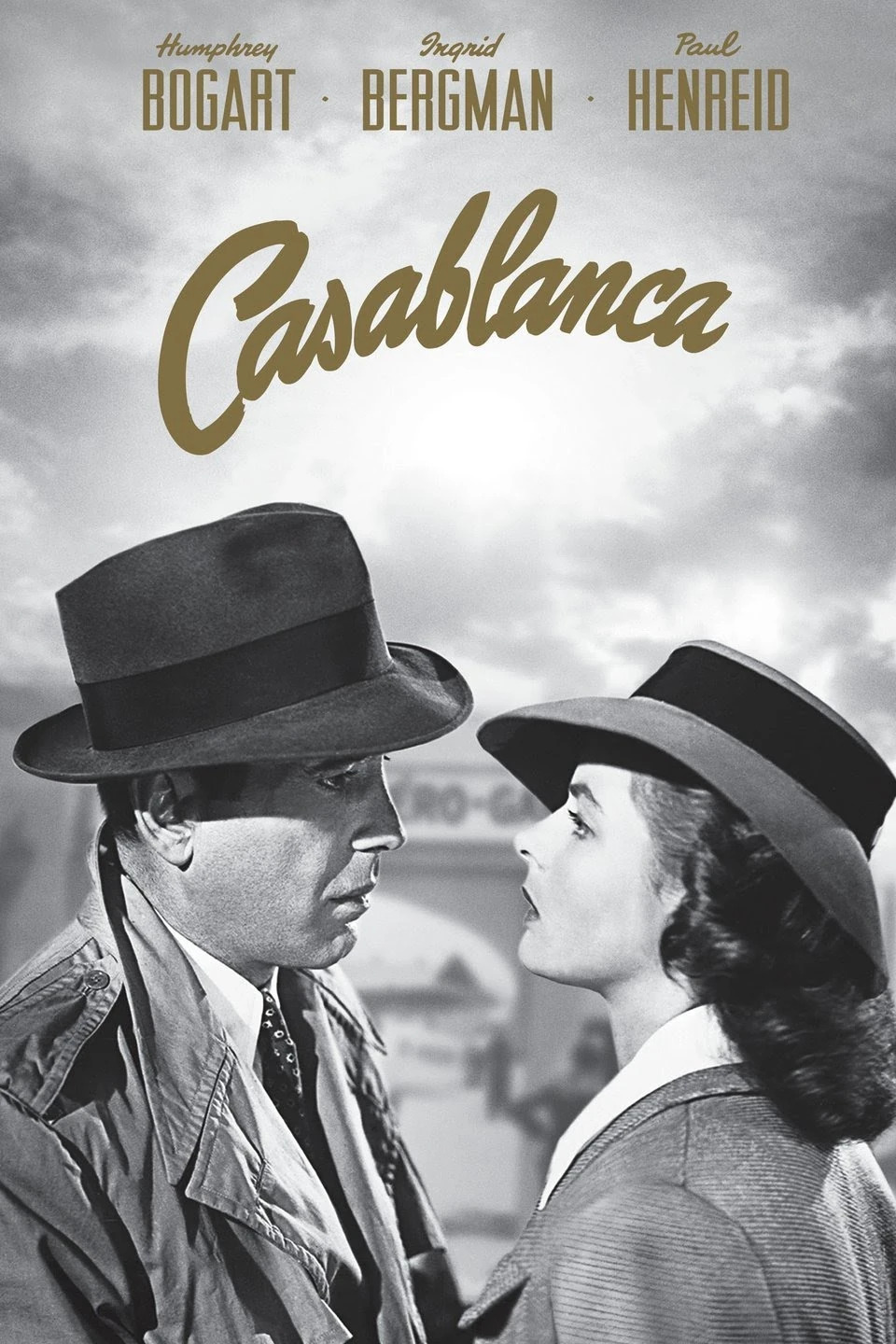
Casablanca
Students can study Casablanca as a classic example of wartime storytelling, sacrifice, moral courage, and character-driven drama. The film creates strong opportunities to discuss loyalty, personal responsibility, refugees, resistance, and the cost of doing the right thing.
Why it matters: it helps students see how stories can capture historical pressure, moral conflict, and the difference between self-interest and service to something larger.
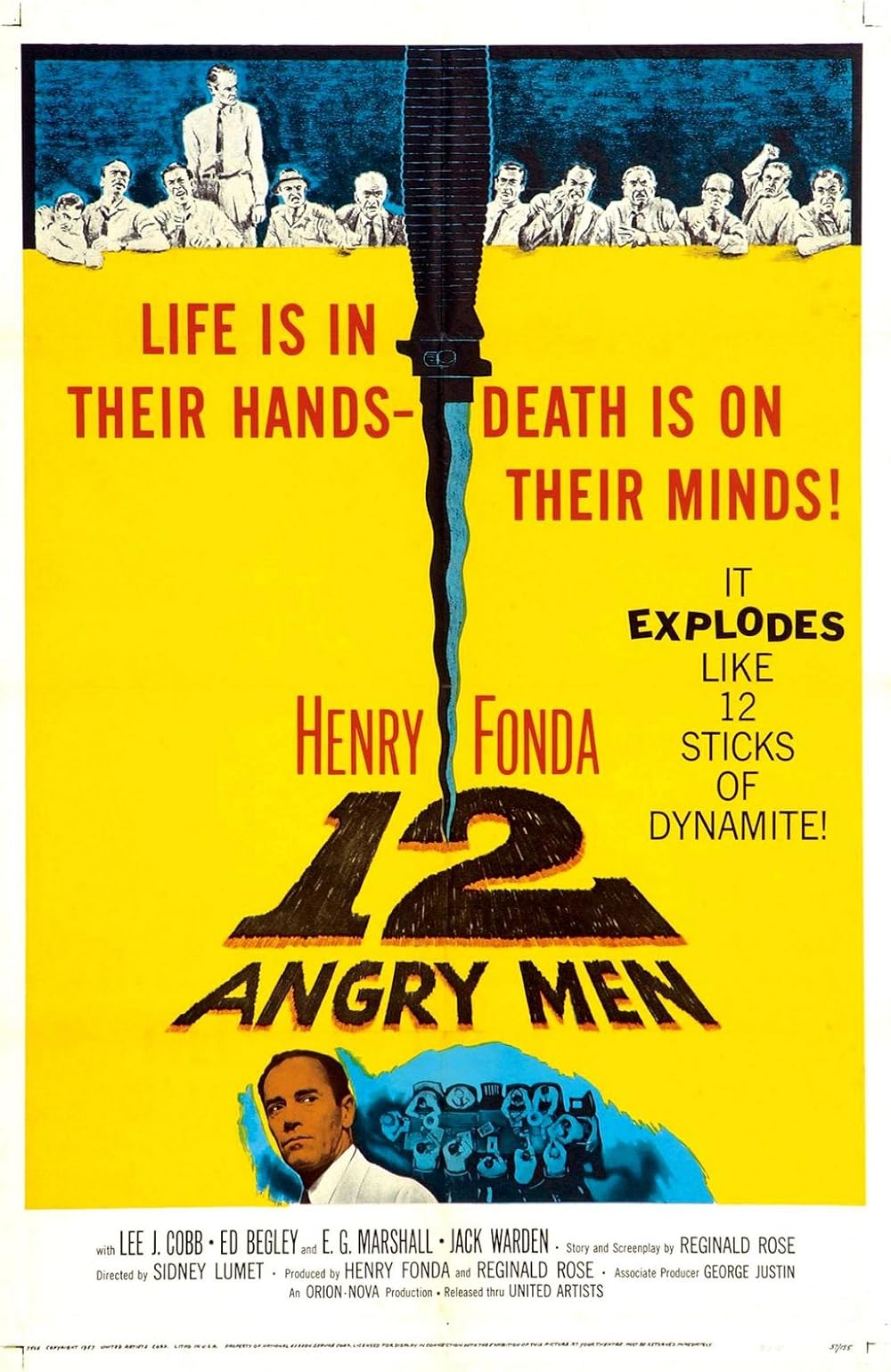
12 Angry Men
Students can study 12 Angry Men as a powerful lesson in civic responsibility, critical thinking, reasonable doubt, peer pressure, bias, and the courage to speak up when a person’s life and dignity are at stake.
Why it matters: it teaches students that careful thinking, listening, and moral courage can change the outcome of a room.
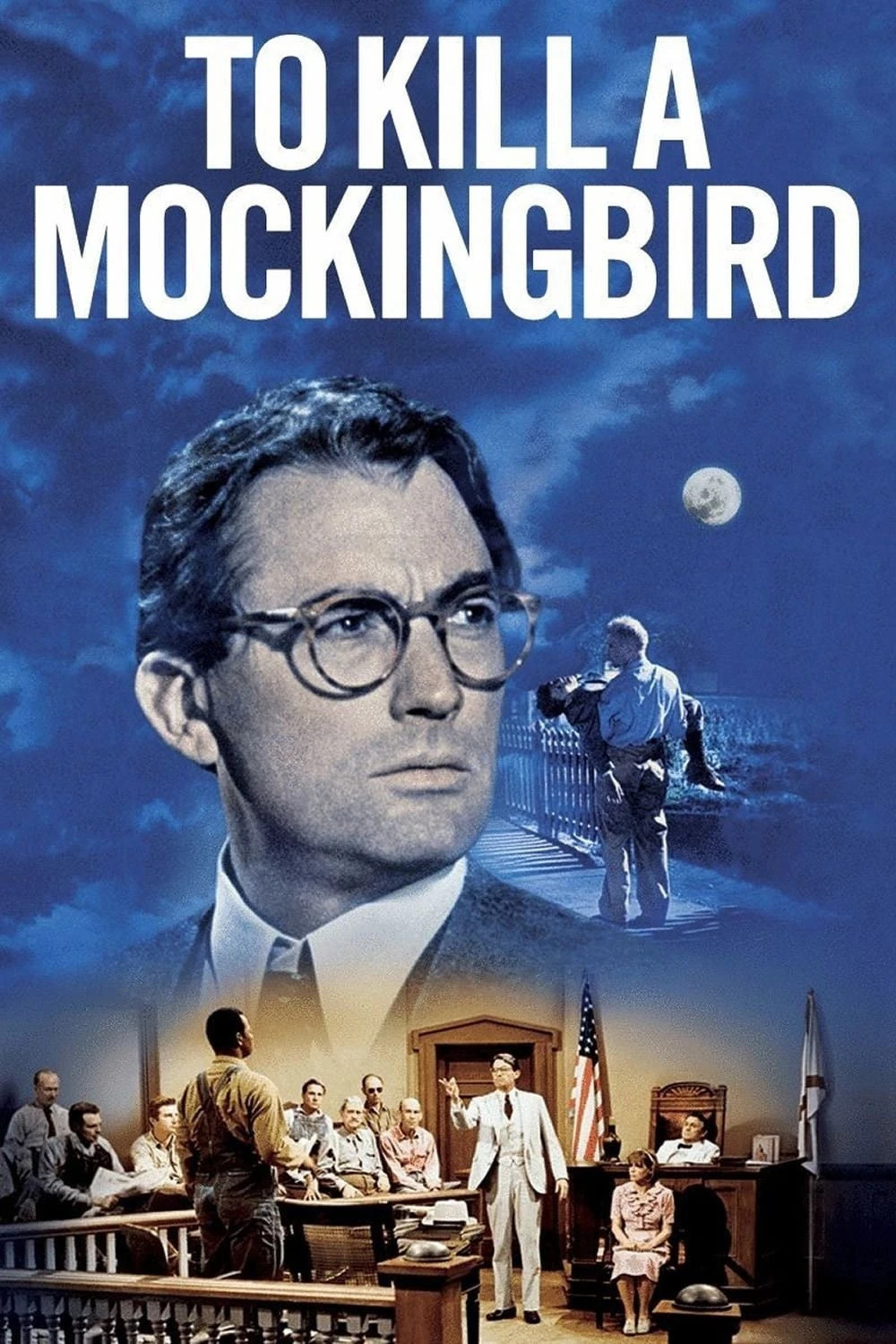
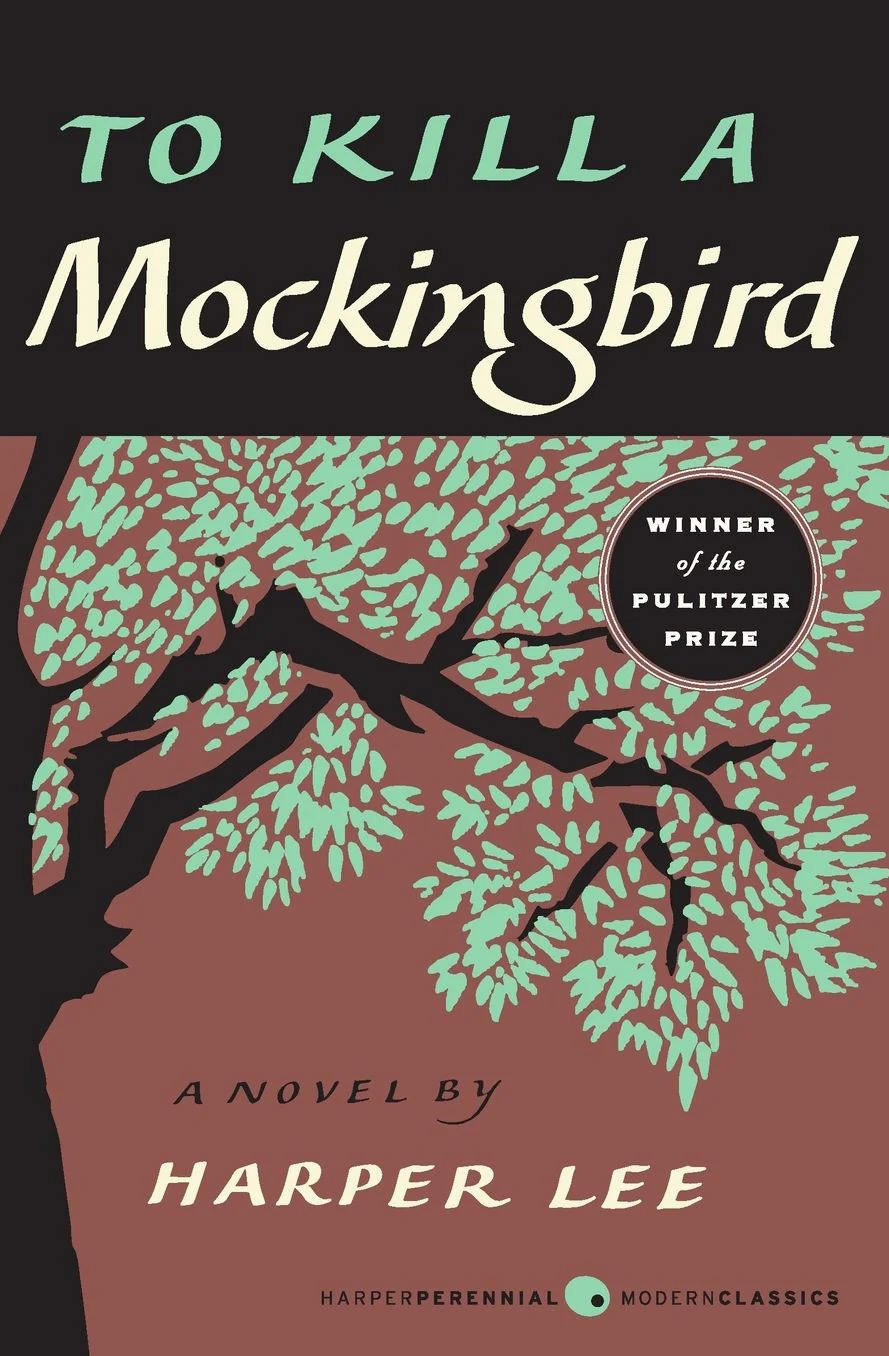
To Kill a Mockingbird
Students can examine the film as a companion to literature, history, and moral responsibility. Discussion can focus on conscience, prejudice, courage, childhood perspective, and what it means to stand for justice when doing so is unpopular.
Why it matters: it gives students a story where courage is quiet, principled, and rooted in human dignity.

Gone with the Wind
This film would require careful framing because of its romanticized portrayal of the Confederacy, slavery, and the Old South. If used, students would study it critically as a historically significant film that also reflects serious distortions and harmful representations.
Why it matters: it can teach students how to evaluate influential art honestly, including what it accomplishes technically and what it gets morally and historically wrong.
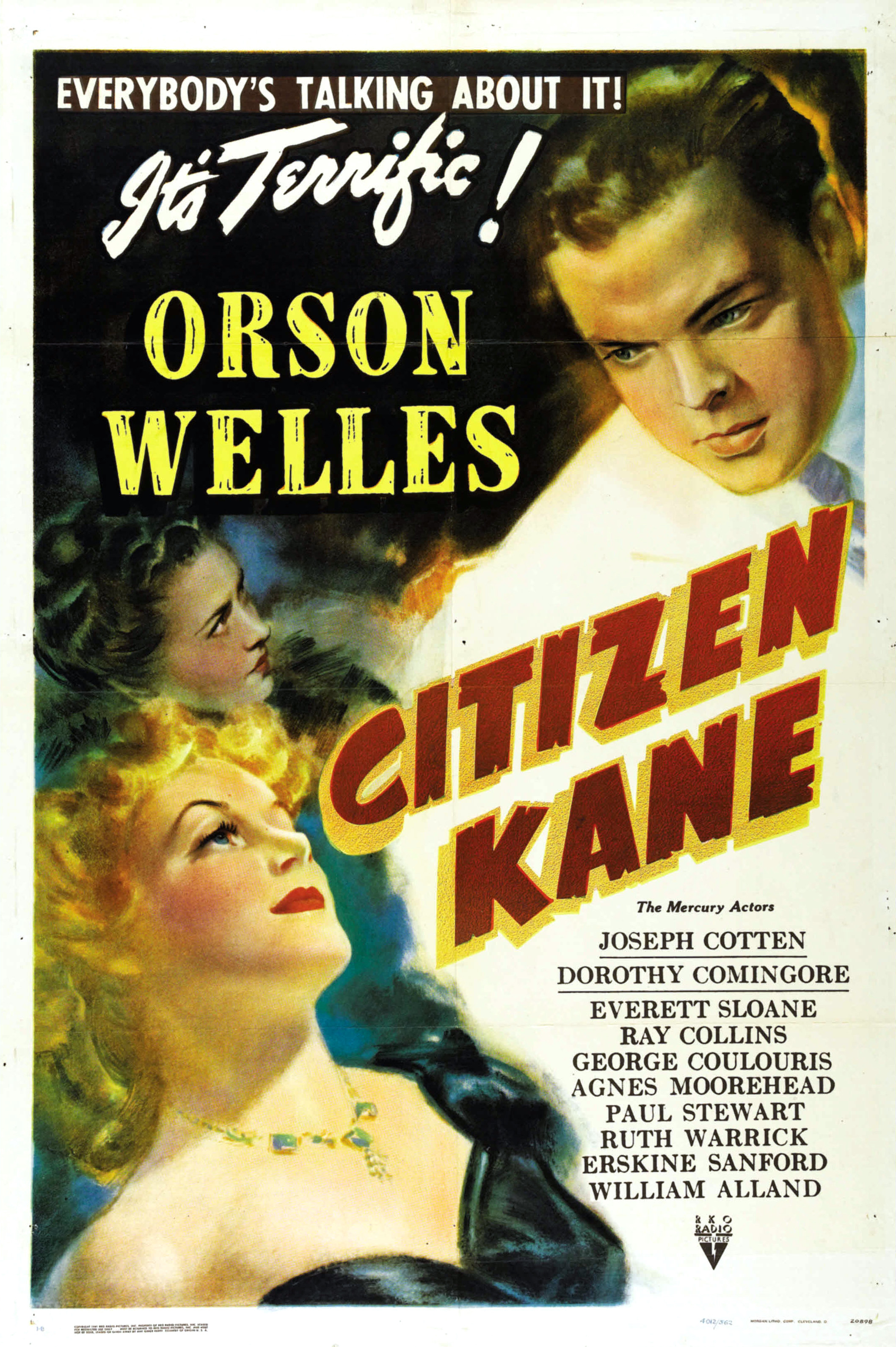
Citizen Kane
Students can study Citizen Kane for its storytelling structure, cinematography, use of perspective, media power, ambition, loneliness, and the question of what success costs a person.
Why it matters: it shows students that film language can shape meaning as powerfully as dialogue or plot.

In the Heat of the Night
Students can discuss the film’s treatment of racism, professionalism, dignity, justice, and the courage required to remain composed under pressure and disrespect.
Why it matters: it gives students a serious example of character, intelligence, and moral force in the face of injustice.

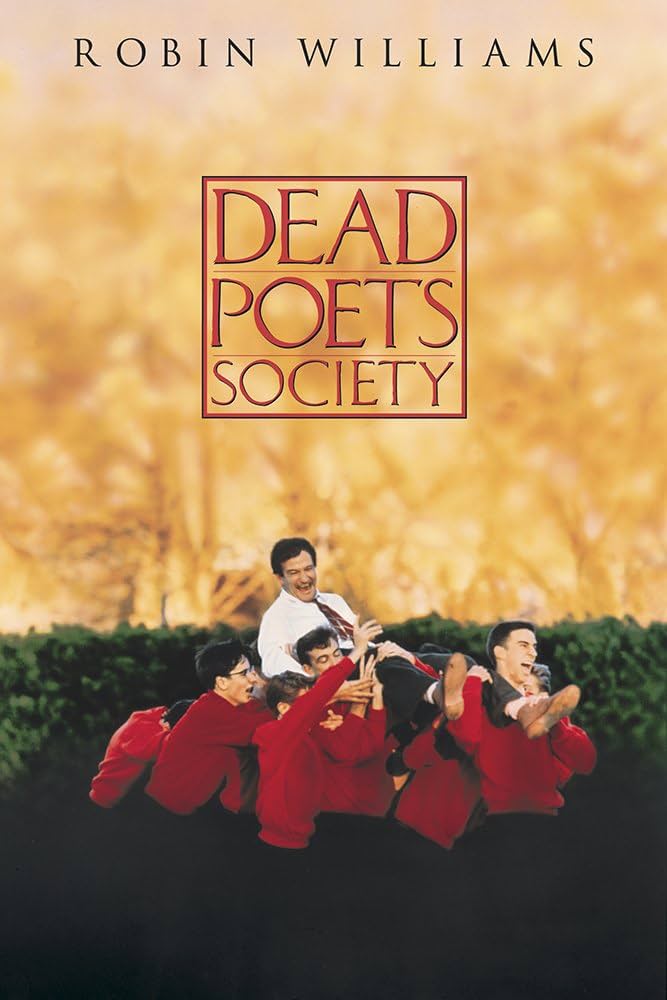
Dead Poets Society
This film can support discussions about literature, identity, voice, conformity, courage, pressure, grief, and the influence teachers can have on students. Because of mature themes, parent approval is recommended.
Why it matters: it helps students think about courage, individuality, mentorship, and the serious emotional weight students can carry.
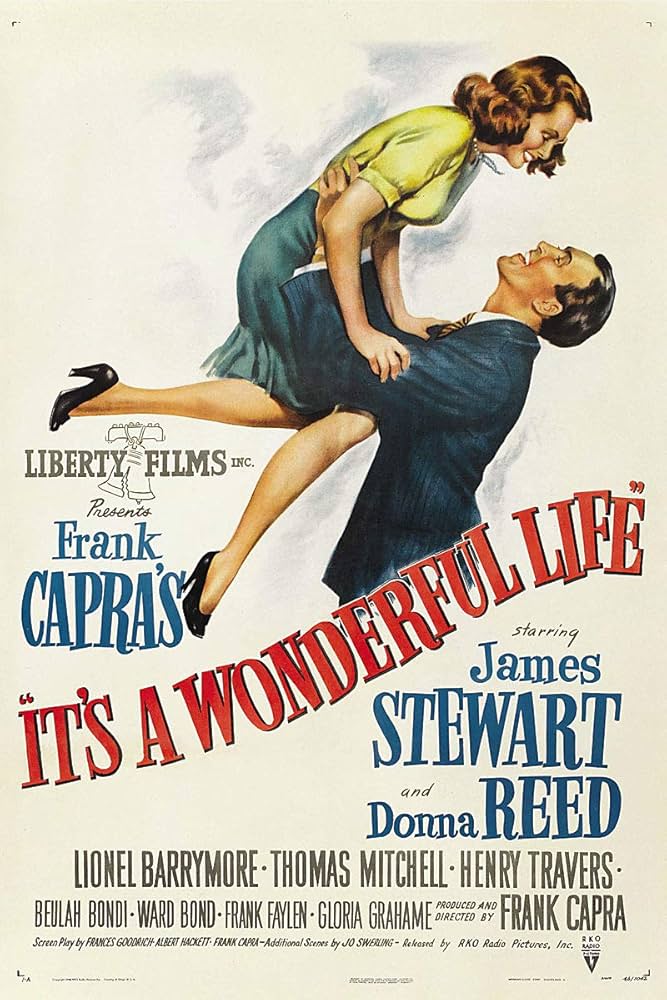
It’s a Wonderful Life
Students can discuss community, sacrifice, friendship, despair, hope, family, dignity, and the unseen impact one person can have on the lives of others.
Why it matters: it shows that ordinary acts of care and service can carry extraordinary meaning.
Remember the Titans
Students can examine teamwork, integration, discipline, leadership, conflict, and the difficult process of learning to respect people across division.
Why it matters: it gives students an accessible way to discuss leadership, unity, prejudice, and shared purpose.

A League of Their Own
Students can discuss women’s history, teamwork, competition, sacrifice, family pressure, opportunity, and the way World War II reshaped American life and athletics.
Why it matters: it gives students an accessible story about talent, perseverance, leadership, and the fight to be taken seriously.
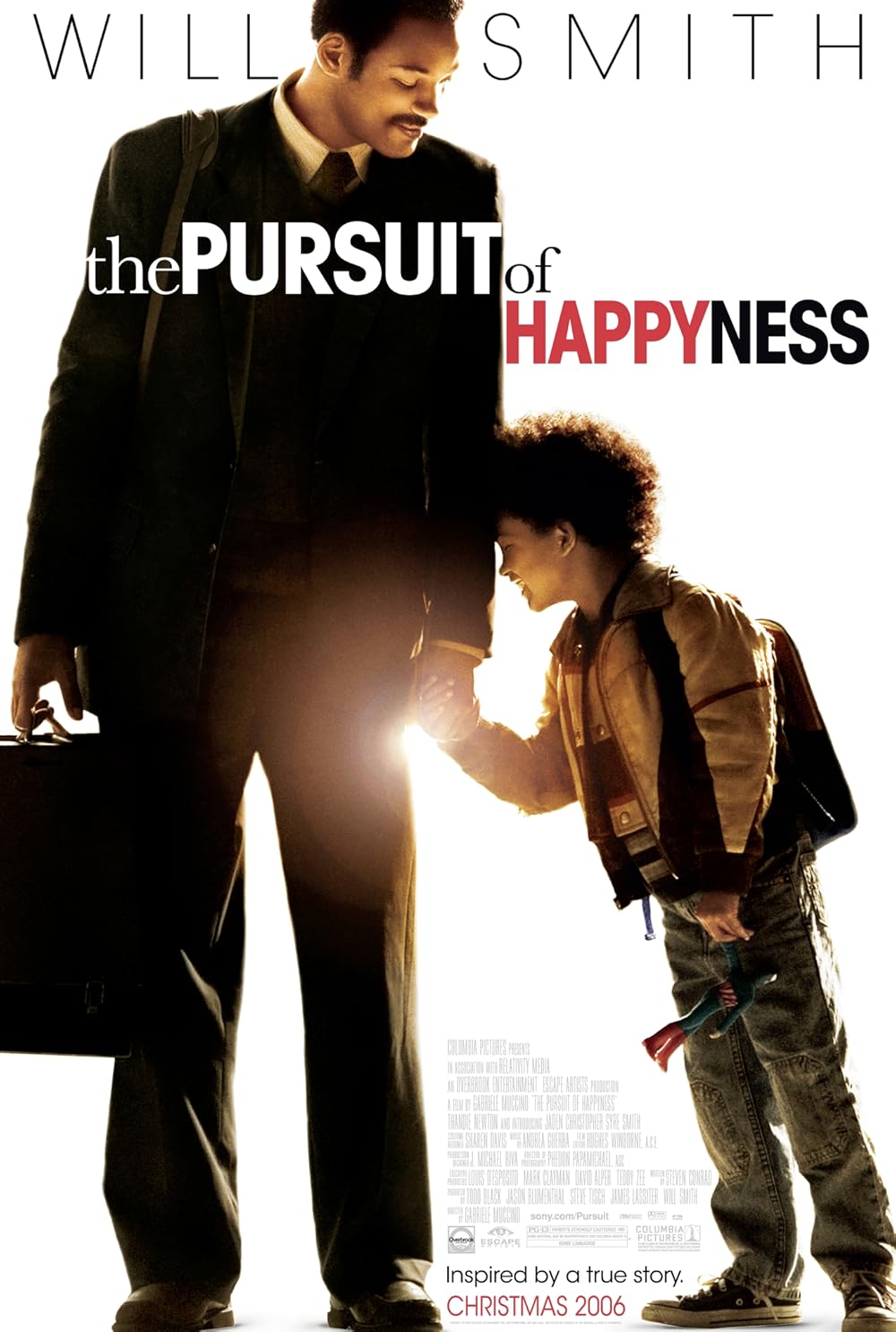
The Pursuit of Happyness
Students can discuss perseverance, fatherhood, poverty, dignity, hope, work ethic, and the emotional strength required to keep going when life becomes difficult.
Why it matters: it gives students a grounded story about responsibility, sacrifice, and refusing to let hardship define the future.
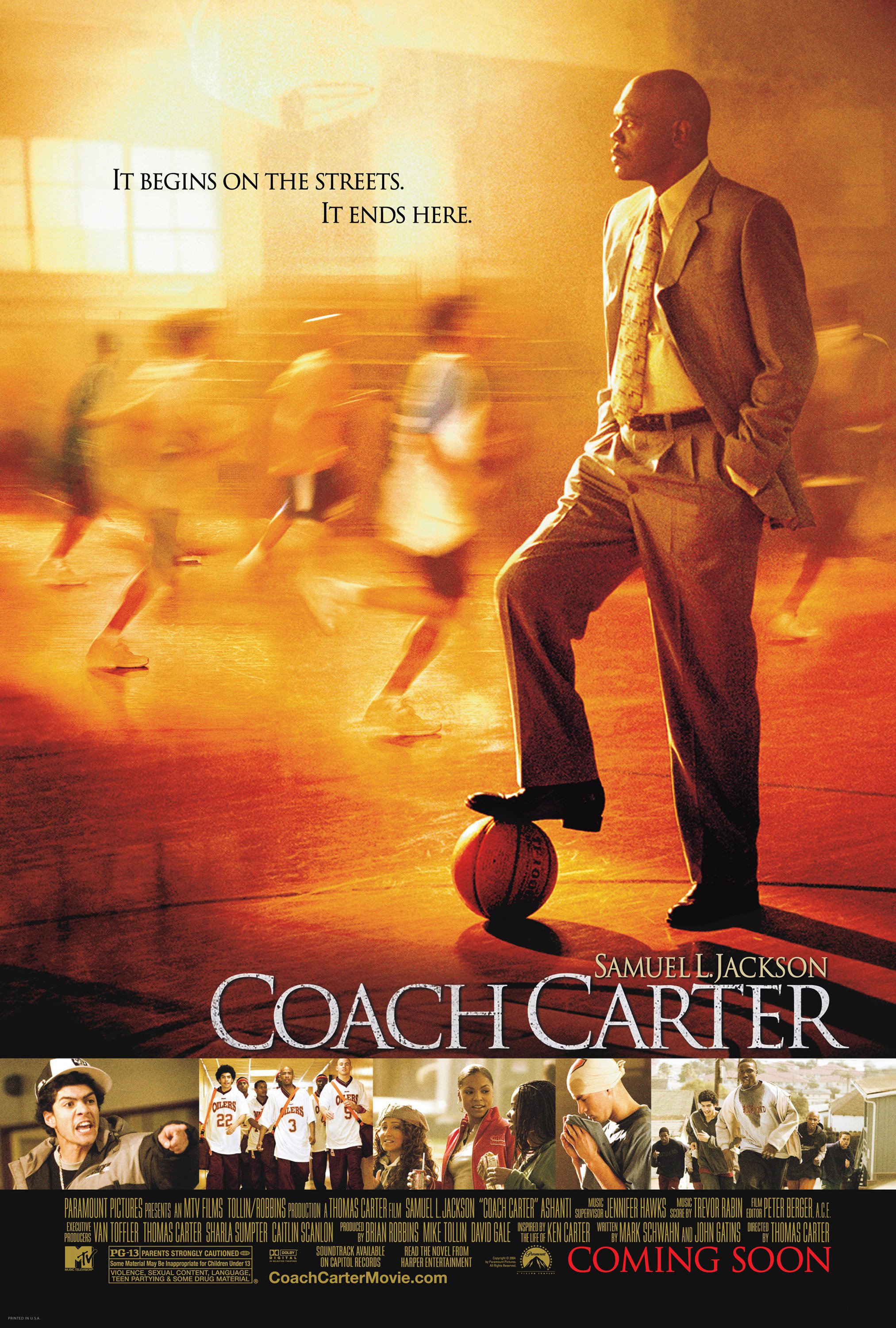
Coach Carter
Students can examine discipline, accountability, leadership, teamwork, academic responsibility, peer pressure, and the importance of holding young people to high standards.
Why it matters: it shows students that real leadership is not always popular, and that character matters more than talent alone.
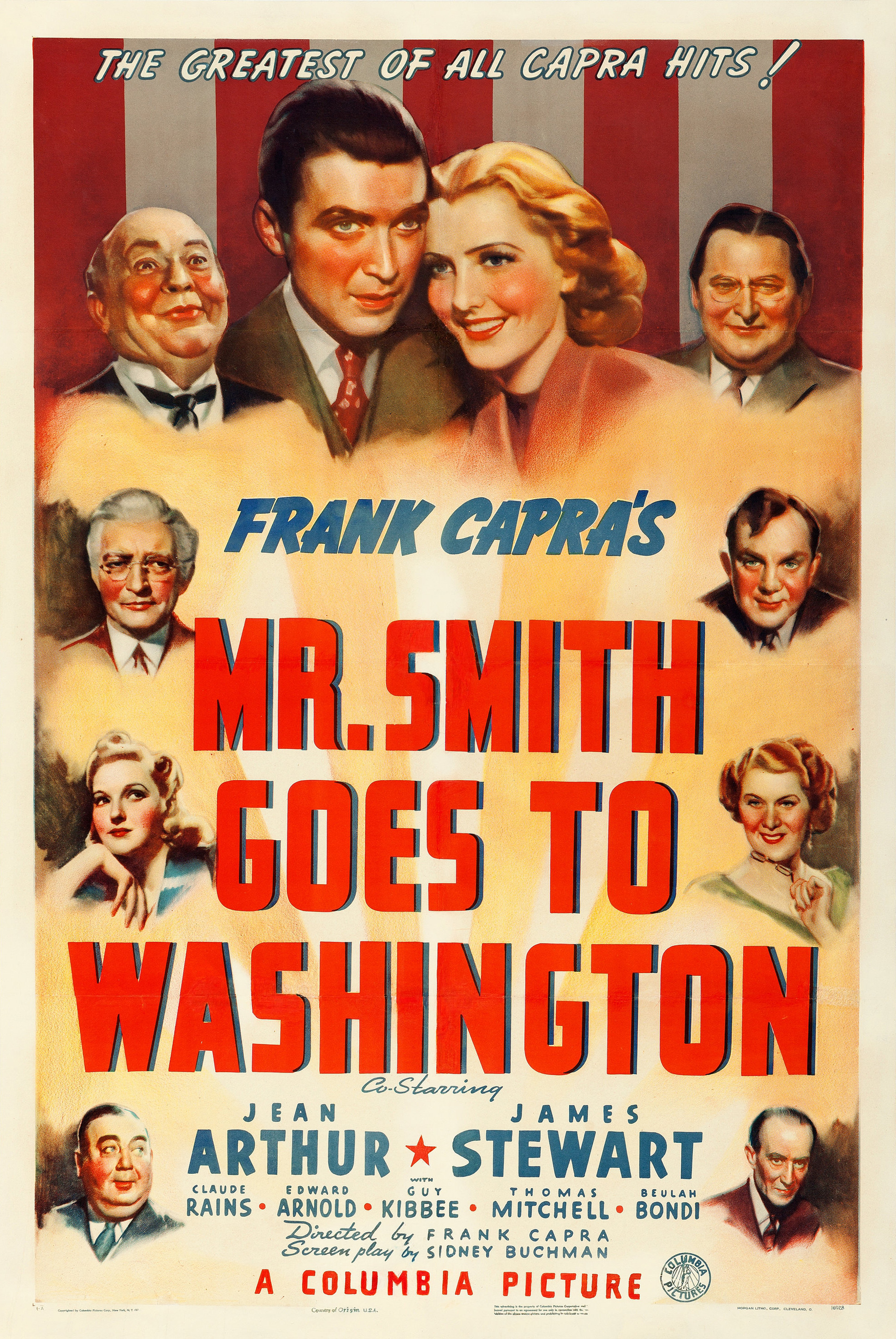
Mr. Smith Goes to Washington
Students can discuss public service, corruption, idealism, civic courage, and what it means to stand by conscience inside flawed institutions.
Why it matters: it gives students a memorable story about ordinary people refusing to surrender their principles.
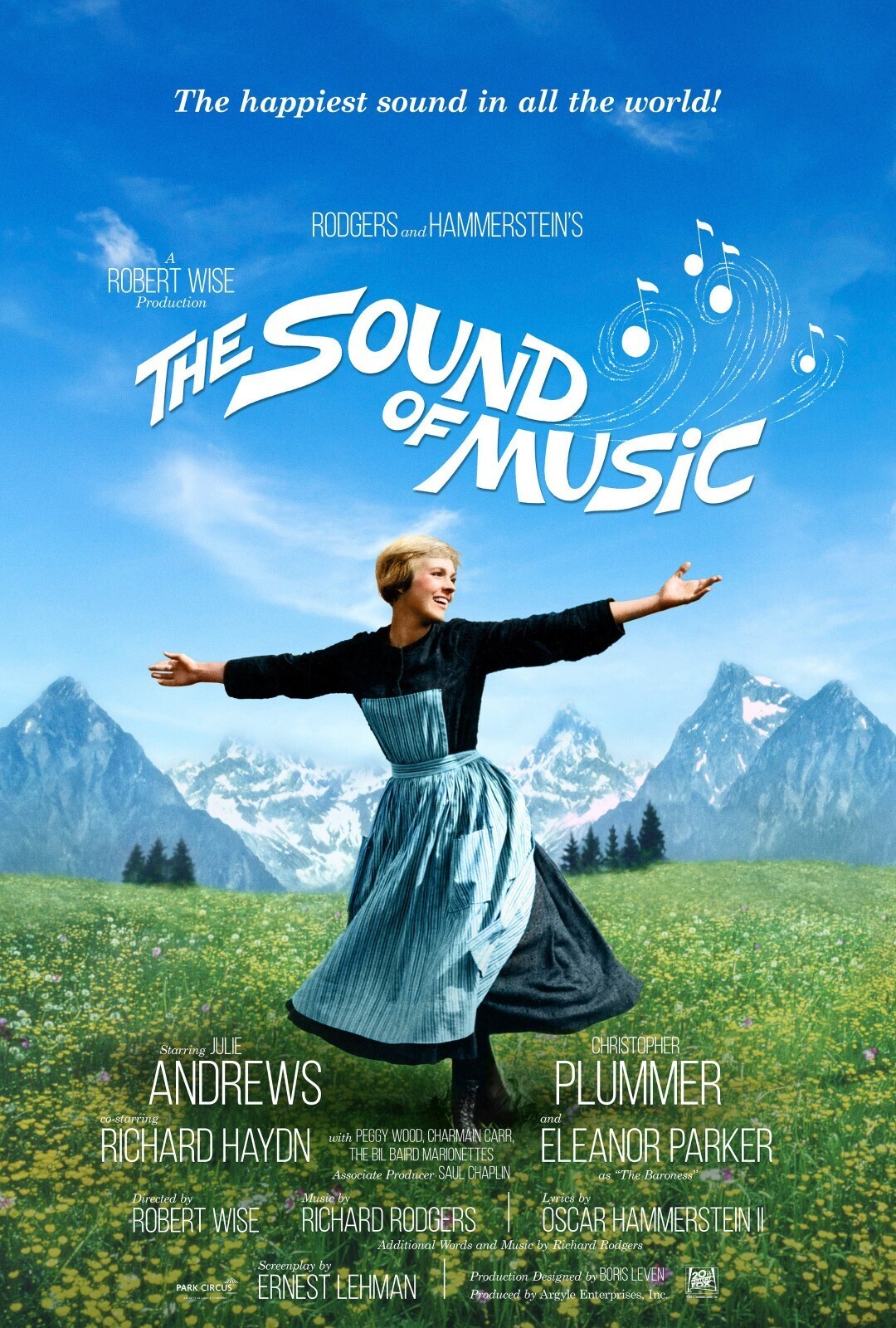
The Sound of Music
Students can explore music, family, courage, resistance, and the historical shadow of Nazi expansion in Austria.
Why it matters: it connects art, history, courage, family, and moral resistance in a story students can access across ages.

Roman Holiday
Students can study Roman Holiday for classic screenwriting, character, setting, honesty, duty, and the bittersweet balance between personal desire and responsibility.
Why it matters: it shows students that a story can be graceful, funny, restrained, and emotionally meaningful without needing spectacle.